Born of Ice
Introduction
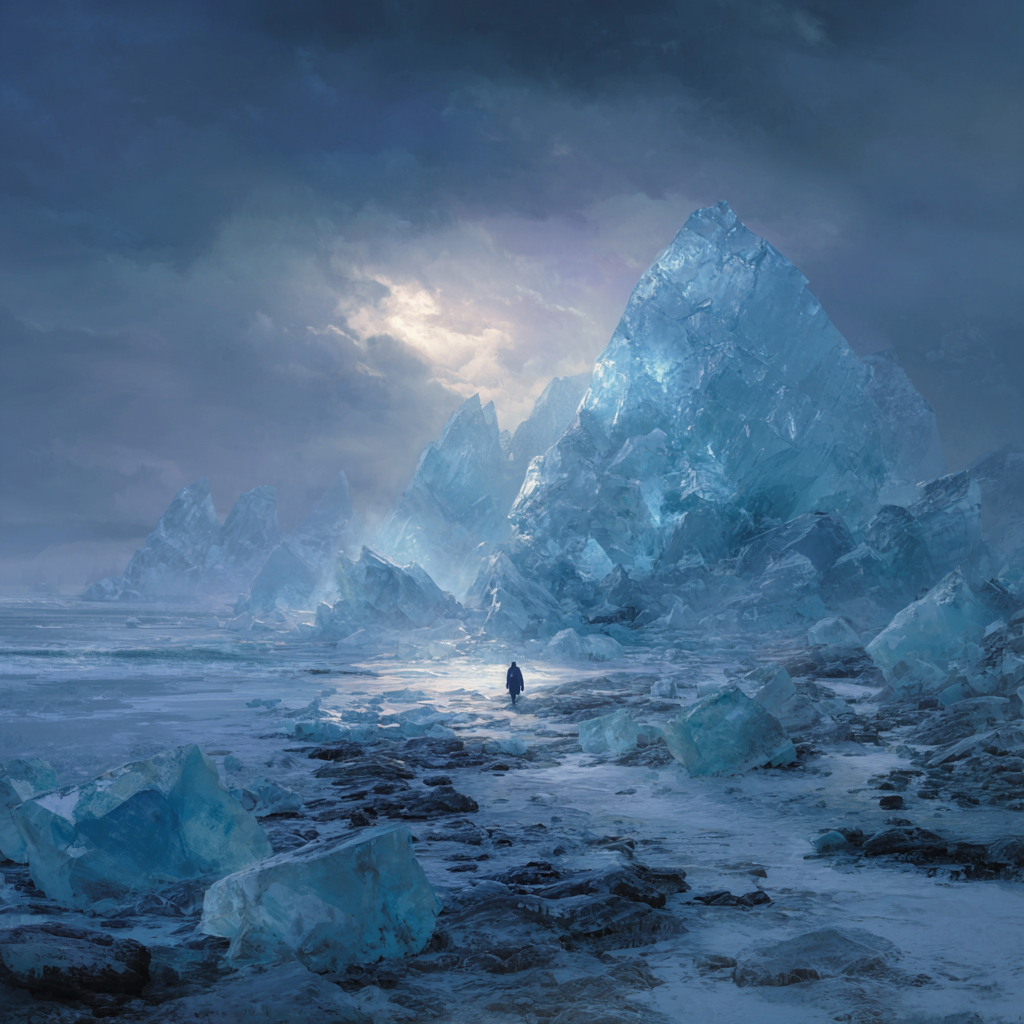
“Born of Ice” symbolizes the remarkable creation and silent beauty of snowflakes and frozen crystals that emerge during winter. Snow is one of nature’s most delicate yet powerful phenomena, formed when water vapor in the atmosphere freezes into tiny ice crystals under extremely cold conditions. These crystals grow and evolve as they travel through clouds and freezing air, eventually becoming the intricate snowflakes that gently fall to Earth.
Every snowflake is born through a unique journey shaped by temperature, humidity, wind, and atmospheric pressure. Though they begin from the same natural element—water—each crystal develops into a completely different design. This individuality makes snowflakes a symbol of uniqueness, transformation, and natural perfection.
Beyond their breathtaking appearance, snowflakes and ice formations play a significant role in Earth’s ecosystems and climate systems. They regulate temperature, preserve freshwater, protect the environment, and sustain life during winter seasons. “Born of Ice” reflects not only the origin of snow but also the strength, beauty, and balance hidden within nature’s frozen creations.
Features of Snow and Ice Crystals
Snowflakes and ice crystals possess several fascinating features that make them scientifically important and visually stunning.
1. Hexagonal Symmetry
Snowflakes naturally form with six-sided symmetry because water molecules arrange themselves in a hexagonal structure when frozen.
2. Unique Crystal Formation
No two snowflakes are exactly alike. Every crystal develops differently depending on atmospheric conditions during formation.
3. Delicate and Fragile Nature
Snowflakes are lightweight and fragile, capable of melting or breaking instantly when exposed to warmth or physical contact.
4. Intricate Branching Patterns
Many snowflakes form detailed branching structures resembling stars, flowers, or lace-like artwork.
5. Reflective Beauty
Although made of transparent ice, snow appears white because its crystals scatter and reflect sunlight in multiple directions.
6. Silent Transformation of Landscapes
Snowfall quietly transforms mountains, forests, roads, and cities into peaceful white landscapes.
7. Temperature-Dependent Growth
The size and shape of snowflakes vary based on temperature and humidity during their journey through the atmosphere.
Types of Snowflakes and Ice Formations
Different atmospheric conditions create different forms of snowflakes and frozen structures.
1. Plate Snowflakes
Flat and thin hexagonal crystals formed in moderately cold temperatures.
2. Stellar Dendrites
Star-shaped snowflakes with highly detailed branching arms, often recognized as classic snowflake patterns.
3. Needle Crystals
Long and thin crystals resembling frozen needles formed under specific temperature ranges.
4. Column Crystals
Cylinder-shaped snow crystals that may appear hollow or solid.
5. Capped Columns
Unique formations where plate-like structures develop on both ends of column-shaped crystals.
6. Irregular Snowflakes
Asymmetrical snowflakes formed due to collisions or rapidly changing atmospheric conditions.
7. Frost and Icicles
Frozen formations created when moisture freezes on surfaces or when melting snow refreezes into hanging ice structures.
Benefits of Snow and Ice
Despite their cold and temporary nature, snow and ice provide many important environmental and ecological benefits.
1. Climate Regulation
Snow-covered surfaces reflect sunlight back into the atmosphere, helping maintain Earth’s temperature balance.
2. Freshwater Preservation
Snow acts as a natural water storage system, slowly releasing freshwater through seasonal melting.
3. Soil and Plant Protection
Snow insulates the ground and protects plant roots, soil organisms, and crops from extreme cold.
4. Ecosystem Support
Many animals rely on snowy habitats for shelter, camouflage, and survival during winter.
5. Air Purification
Falling snow helps capture airborne dust and pollutants, improving air quality temporarily.
6. Contribution to the Water Cycle
Snowfall plays a crucial role in Earth’s precipitation and water distribution systems.
7. Inspiration and Natural Beauty
Snow and ice inspire art, literature, photography, architecture, and scientific discovery through their stunning natural designs.
Conclusion
“Born of Ice” captures the quiet wonder and hidden strength found within nature’s frozen creations. Snowflakes may appear delicate and temporary, but they carry immense beauty, complexity, and environmental importance. Every crystal is shaped by an extraordinary journey through the atmosphere, becoming a unique masterpiece formed by nature itself.
Snow and ice remind us that even the coldest and quietest elements of nature can create life, balance, and transformation. They preserve ecosystems, regulate climate, and bring peace and beauty to the world around us.
Like snowflakes born from ice, every individual journey is shaped by experiences, challenges, and change. In every frozen crystal lies a story of resilience, individuality, and the timeless elegance of nature.
At Adiantara, we help leadership teams simplify the cloud journey with clear, strategic guidance. From vendor selection to seamless implementation, we ensure every step aligns with your business goals. Our certified expertise and business-first approach drive efficiency, scalability, and innovation. With Adiantara, you unlock real value and long-term success in the cloud ecosystem. ☁️🚀