Elevate Your Data Strategy with Snowflake
Introduction
In the modern digital landscape, data has become a powerful asset for organizations across all industries. Businesses generate vast amounts of information from customer interactions, business transactions, applications, and digital platforms. To remain competitive, organizations need effective tools that can manage, analyze, and transform this data into meaningful insights. This is where Snowflake plays a critical role in elevating a company’s data strategy.
Snowflake is a cloud-native data platform designed to simplify data storage, processing, and analytics. Unlike traditional data systems that require complex infrastructure and maintenance, Snowflake operates entirely in the cloud, allowing businesses to focus more on data insights rather than managing hardware and software. With its innovative architecture and scalable design, Snowflake enables organizations to unlock the full value of their data while maintaining performance, security, and flexibility.
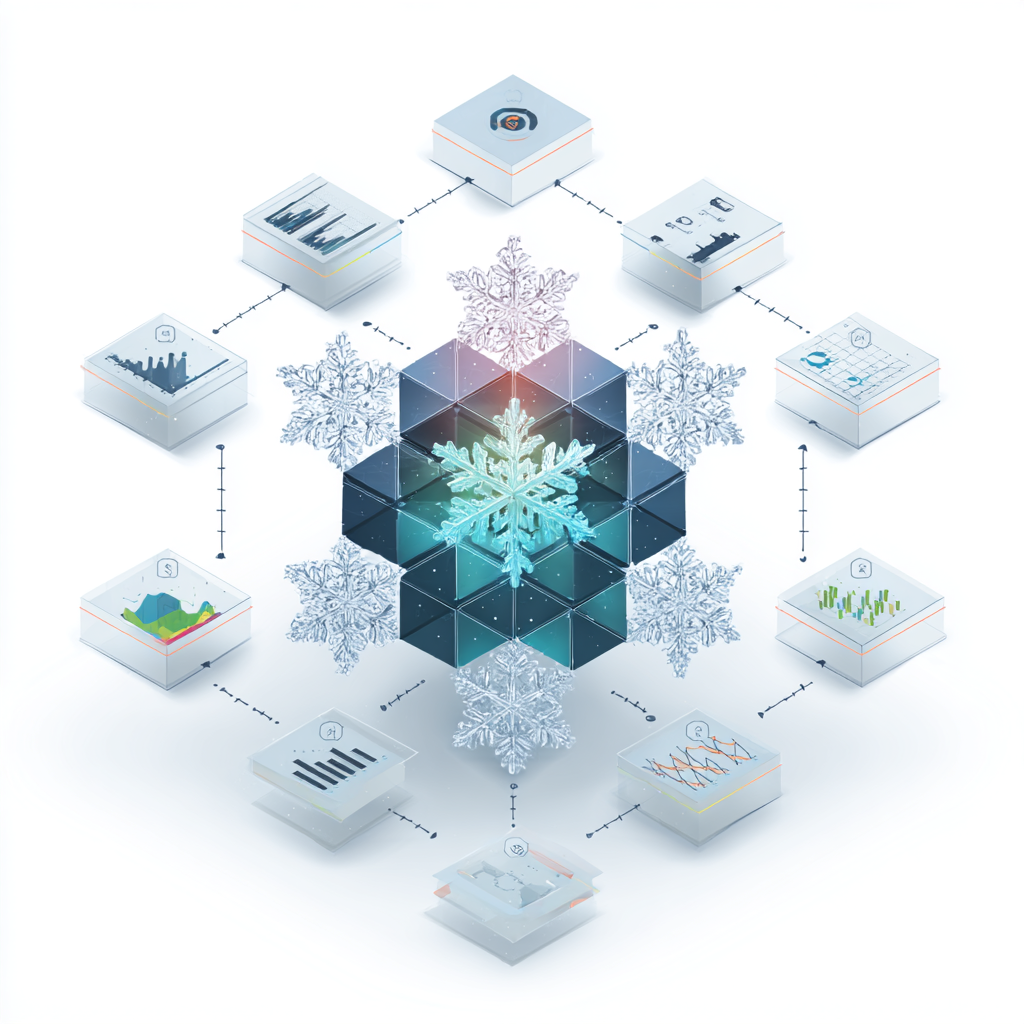
Understanding the Snowflake Data Platform
Snowflake provides a centralized platform where organizations can store and analyze large volumes of structured and semi-structured data. Its architecture separates storage, computing, and services, which allows each component to scale independently. This separation provides greater efficiency, faster performance, and better cost control.
The platform supports modern data workloads such as data warehousing, data lakes, data engineering, and advanced analytics. By bringing these capabilities together in one system, Snowflake helps organizations streamline their data processes and improve collaboration between data teams.
Key Components of Snowflake Architecture
Database Storage Layer
The storage layer manages data in a secure and compressed format within the cloud. Snowflake automatically organizes and optimizes stored data, allowing users to access it efficiently without manual management.
Query Processing Layer
This layer performs data analysis using virtual warehouses. Each warehouse operates independently, enabling multiple users and workloads to run simultaneously without affecting system performance.
Cloud Services Layer
The cloud services layer manages functions such as authentication, metadata management, infrastructure coordination, and security. It ensures that the platform operates smoothly while maintaining data integrity and reliability.
Benefits of Using Snowflake
Scalability
Snowflake allows organizations to scale storage and computing resources independently. Businesses can increase or decrease resources based on demand, ensuring efficient performance and cost management.
High Performance Analytics
The platform provides fast query execution and optimized performance, enabling organizations to analyze large datasets quickly and efficiently.
Multi-Cloud Compatibility
Snowflake supports multiple cloud environments, giving businesses flexibility and reducing dependence on a single cloud provider.
Secure Data Sharing
One of Snowflake’s most powerful capabilities is its ability to share data securely across teams, departments, and external partners without creating multiple copies. This improves collaboration and ensures data consistency.
Simplified Data Management
Snowflake handles infrastructure maintenance, updates, and performance optimization automatically. This reduces administrative workload and allows teams to focus on data-driven innovation.

Snowflake for Modern Data Workloads
Data Warehousing
Snowflake provides powerful data warehousing capabilities for storing and analyzing structured data. Organizations can run complex queries and generate reports that support strategic decision-making.
Data Lakes
The platform supports data lakes by allowing organizations to store various types of data formats, including structured and semi-structured data. This flexibility enables businesses to handle diverse datasets in one unified environment.
Data Engineering
Snowflake enables data engineers to build pipelines that collect, transform, and prepare data for analytics. These pipelines ensure that data is accurate, consistent, and ready for analysis.
Advanced Analytics and Machine Learning
With its high-performance processing capabilities, Snowflake supports advanced analytics and machine learning applications. Organizations can derive predictive insights and create intelligent data-driven solutions.
Why Snowflake Elevates Data Strategy
A strong data strategy requires reliable infrastructure, efficient data processing, and the ability to scale as data volumes grow. Snowflake provides all these capabilities in a single platform. Its cloud-native architecture ensures that organizations can handle modern data challenges without the complexity of traditional systems.
By centralizing data management and enabling seamless collaboration between teams, Snowflake allows businesses to unlock deeper insights from their data. This improved accessibility and performance help organizations make faster decisions and develop innovative solutions.
Conclusion
Snowflake is transforming the way organizations manage and analyze data in the cloud. With its scalable architecture, powerful analytics capabilities, and secure data sharing features, it provides a comprehensive solution for modern data management. Businesses can store vast amounts of data, process it efficiently, and convert it into actionable insights that drive growth and innovation.
By adopting Snowflake as part of their data strategy, organizations can build a strong foundation for data-driven success and remain competitive in an increasingly data-focused world.
At Adiantara, clear communication is our priority. Whether it’s our services, your projects, or any support you need, we’re just a message away — always here to help you succeed!