The Silent Geometry of Winter
Introduction
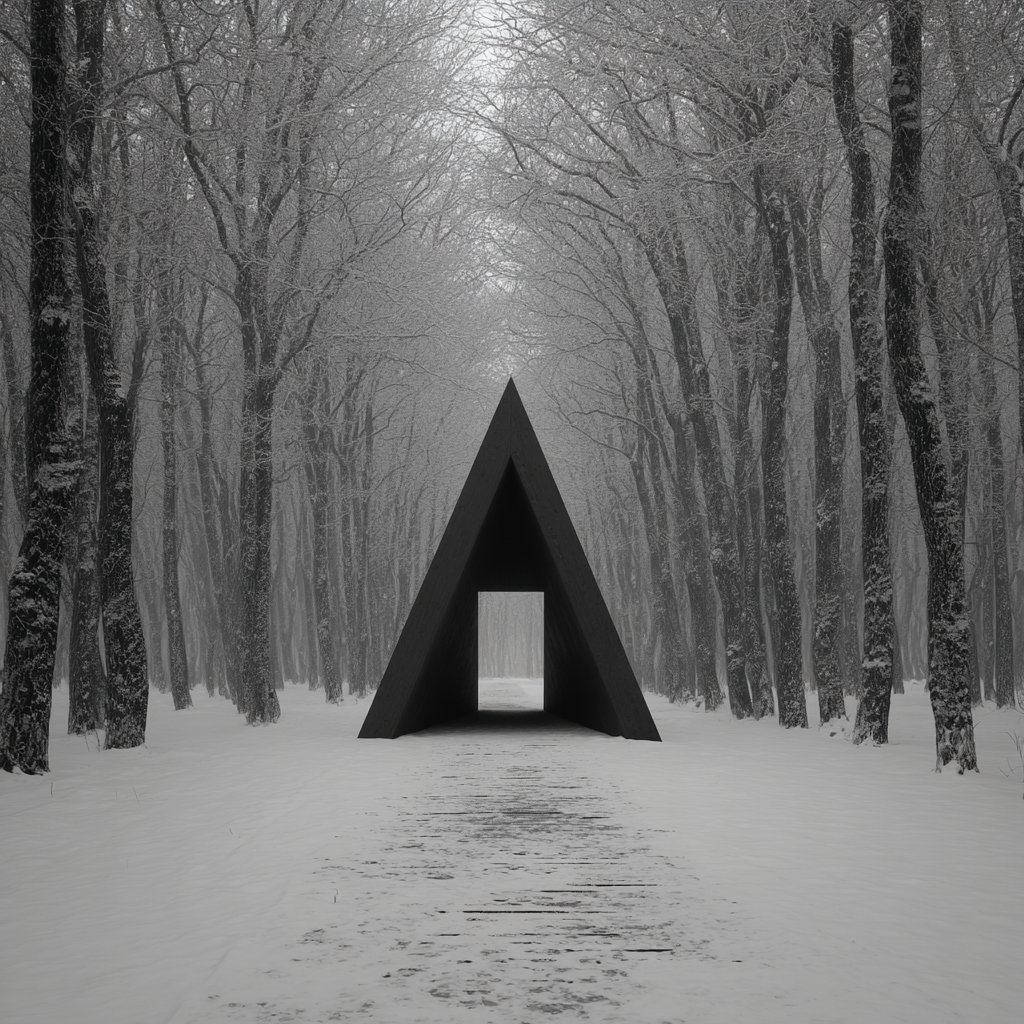
Winter is often seen as a season of silence, stillness, and transformation. Beneath its calm appearance lies a world filled with extraordinary patterns, symmetry, and precision. “The Silent Geometry of Winter” represents the hidden mathematical beauty found within snowflakes, frost, icy landscapes, and frozen crystals. Every snowfall, every icy branch, and every frost-covered window reflects nature’s ability to combine science and artistry in perfect harmony.
Snowflakes are among winter’s most remarkable creations. Formed high in cold clouds, they begin as tiny ice crystals that gradually grow as water vapor freezes around them. During their journey through changing atmospheric conditions, these crystals develop into delicate geometric structures, each carrying its own unique design. Though millions of snowflakes may fall together, no two are exactly alike.
Winter’s geometry extends beyond snowflakes. Frozen lakes create intricate crack patterns, frost spreads across surfaces like natural artwork, and icicles form symmetrical shapes shaped by gravity and temperature. These patterns reveal the deep connection between nature, physics, and mathematics. Winter may appear silent, but within that silence exists a breathtaking symphony of order, structure, and elegance.
Features of Winter Geometry
Winter showcases several fascinating features that make it one of nature’s most visually stunning seasons.
1. Hexagonal Symmetry
One of the most notable features of snowflakes is their six-sided symmetry. This geometric structure is formed because water molecules naturally bond in a hexagonal arrangement when frozen.
2. Intricate Crystal Patterns
Snowflakes develop highly detailed and branching patterns that resemble stars, flowers, or lace. Their designs demonstrate the precision of natural formation processes.
3. Unique Formation
No two snowflakes are identical. Tiny variations in humidity, air pressure, and temperature create endless combinations of crystal shapes and structures.
4. Frost Artistry
Frost spreads across glass, leaves, and surfaces in fern-like and feather-like patterns. These designs form through the freezing of moisture in cold conditions.
5. Reflective Brilliance
Snow and ice reflect sunlight beautifully, creating sparkling landscapes that shine during both day and night.
6. Quietness and Stillness
Winter snow absorbs sound, reducing noise levels and creating peaceful surroundings. This silence enhances the calm atmosphere associated with winter.
7. Fragile Beauty
Winter formations are delicate and temporary. A slight rise in temperature can melt snowflakes and frost, reminding us of the fleeting nature of beauty.
Types of Winter Crystal Formations
Winter creates a variety of geometric formations, each shaped by environmental conditions.
1. Plate Snowflakes
Flat and thin crystals with simple hexagonal shapes. These are among the most basic yet elegant snowflake forms.
2. Stellar Dendrites
Star-shaped snowflakes with detailed branching arms. They are often considered the classic symbol of snowfall.
3. Needle Crystals
Long, thin snow crystals resembling frozen needles. They form under slightly warmer atmospheric conditions.
4. Column Crystals
Cylinder-like snow crystals that may appear solid or hollow depending on temperature conditions.
5. Frost Crystals
Patterns that form on windows, leaves, and surfaces when water vapor freezes directly into ice.
6. Icicles
Hanging ice formations created when melting snow refreezes. Their tapered shape reflects gravity’s influence on frozen water.
7. Graupel
Rounded snow pellets formed when snowflakes become coated with supercooled water droplets.
Benefits of Winter and Snow
Winter’s frozen beauty also provides several important environmental and ecological benefits.
1. Climate Regulation
Snow reflects sunlight back into space, helping maintain Earth’s temperature balance and reducing excessive warming.
2. Freshwater Preservation
Snow stores water during winter and releases it gradually through melting, supporting rivers, lakes, and agriculture.
3. Soil Insulation
A layer of snow protects soil, roots, and microorganisms from extreme cold by trapping heat beneath the surface.
4. Ecosystem Support
Many plants and animals rely on snowy environments for survival, camouflage, and seasonal adaptation.
5. Air Purification
Snowfall helps trap airborne dust and pollutants, temporarily improving air quality.
6. Inspiration for Science and Art
Winter’s geometric patterns inspire fields such as mathematics, architecture, photography, and design.
7. Emotional and Cultural Impact
Winter landscapes often bring feelings of peace, reflection, and inspiration. Snow and ice are celebrated in art, literature, and festivals worldwide.
Conclusion
“The Silent Geometry of Winter” reveals the hidden perfection within nature’s coldest season. From the symmetry of snowflakes to the delicate artistry of frost, winter demonstrates how science and beauty coexist in extraordinary ways. Every frozen crystal is a masterpiece shaped by invisible forces, carrying elegance within its delicate structure.
Winter teaches us that silence does not mean emptiness. Beneath the stillness lies complexity, balance, and creativity beyond imagination. Its fleeting beauty reminds us to appreciate the small details that often go unnoticed in everyday life.
Like snowflakes drifting quietly from the sky, winter’s geometry leaves a lasting impression—not through loudness or power, but through subtle beauty, precision, and grace.
At Adiantara, we help leadership teams simplify the cloud journey with clear, strategic guidance. From vendor selection to seamless implementation, we ensure every step aligns with your business goals. Our certified expertise and business-first approach drive efficiency, scalability, and innovation. With Adiantara, you unlock real value and long-term success in the cloud ecosystem. ☁️🚀